
Mold Mites or Hidden Mold? Signs of Moisture Problems in Your Home
If you are seeing tiny bugs often called mold mites, the insects themselves are rarely the real problem. In most homes, they are a visible warning sign of a more serious problem: excess moisture and hidden mold growth.
Homeowners often focus on eliminating the mites. The real solution is understanding why they appeared in the first place. This guide explains what mold mites indicate, how to recognize mold signs in the home, and when professional remediation is necessary.
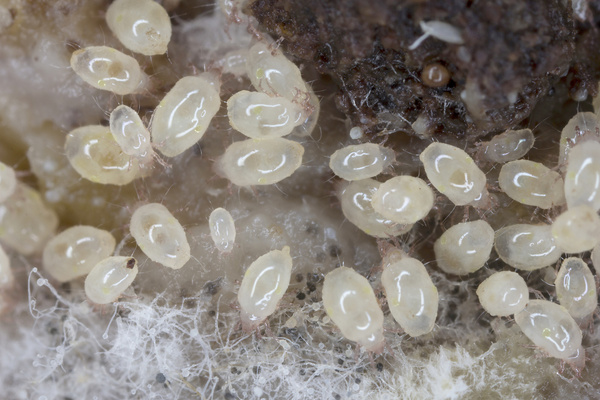
What Are Mold Mites?
“Mold mites” is a common name for microscopic mites that feed on mold spores. They thrive in damp environments where mold is already present. They do not create mold. They appear because mold and moisture conditions already exist.
If you are seeing mold mites, it means:
- Moisture is present for extended periods
- Mold growth is active or recurring
- Conditions are stable enough to support ongoing biological activity
Removing mites without addressing moisture simply resets the cycle.
Why Mold Mites Are a Warning Sign, Not the Problem
Mold mites survive only where mold can survive. Mold survives only where moisture persists.
This is why extermination sprays or surface cleaning often fail. They may temporarily reduce visible mites, but as long as moisture remains inside walls, ceilings, or building materials, mold will continue to grow, and mites will return.
From a restoration standpoint, mold mites serve as an early indicator of deeper conditions that may not be readily visible.
Signs of Mold in the Home That Often Go Unnoticed
Mold does not always appear as black spots on walls. In many cases, especially in humid climates, the signs are subtle.
Common indicators include:
- Persistent musty or earthy odors
- Repeating dust-like residue near baseboards or vents
- Bubbling paint or peeling finishes
- Discoloration that reappears after cleaning
- Increased humidity in specific rooms
- Mold mites appear in kitchens, bathrooms, or closets
When these signs persist, they usually point to mold from moisture damage rather than surface contamination.
Why Moisture Is the Root Cause
Mold requires moisture to grow. In many homes, that moisture comes from sources that are easy to overlook.
Common moisture sources include:
- Slow plumbing leaks
- Condensation from HVAC systems
- Poor ventilation in bathrooms or laundry areas
- Roof or window leaks
- High indoor humidity levels
When moisture is trapped inside drywall, insulation, or framing, mold can continue to grow even if surfaces look clean.
How to Get Rid of Mold Mites: What Actually Works
Many people search for how to get rid of mold mites, hoping for a quick fix. The reality is simple: mold mites disappear only when the mold and moisture they depend on are removed.
What does not work long-term:
- Insect sprays or foggers
- Bleach or surface cleaners alone
- Dehumidifiers without addressing leaks or hidden moisture
What does work:
- Identifying and stopping moisture sources
- Drying affected materials properly
- Removing mold-contaminated building materials when necessary
Without addressing moisture at the source, mold mites almost always return.
What Kills Mold Mites Instantly? A Reality Check
There is no safe or effective instant solution that eliminates mold mites permanently without addressing mold itself. Products that claim to kill mites instantly may reduce what you see, but they do not solve the underlying conditions.
The focus should never be on killing mites. The focus should be on eliminating the environment that allows mold to grow in the first place.
When Mold Mites Signal Mold From Water Damage
In many cases, mold mites appear after water damage, even if the damage seemed minor or was never fully dried. Moisture can remain trapped behind walls or above ceilings long after visible water is gone.
Recurring mold mites often indicate:
- Past leaks that were never fully dried
- Ongoing condensation issues
- Mold growth inside wall cavities or insulation
When this happens, surface cleaning is no longer sufficient.
When Mold Remediation Is Needed
If mold mites continue to return or signs of mold persist, a professional assessment is often required. Mold hidden behind building materials cannot be evaluated or removed through DIY methods alone.
In these cases, professional mold remediation focuses on:
- Locating hidden moisture
- Containing affected areas
- Removing contaminated materials
- Drying and stabilizing the environment to prevent recurrence
This approach addresses the cause, not just the symptoms.
How to Prevent Mold and Mold Mites Long-Term
Preventing mold mites means preventing moisture problems.
Practical prevention steps include:
- Controlling indoor humidity
- Repairing leaks promptly
- Ensuring proper ventilation
- Monitoring areas prone to condensation
- Addressing water damage immediately
Early action is significantly less costly than remediation after mold becomes established.
If Mold Mites Keep Returning, It’s Time to Address the Moisture Behind Them
Mold mites are rarely the real problem. They are a signal that moisture and mold conditions exist where you may not be able to see them.
If you are unsure whether mold or moisture is present in your home, the safest next step is to schedule a professional assessment. Addressing the issue early helps protect both the property and the people living in it.

