
Green Mold in the House: Health Risks, Causes, and When to Remove It
Seeing green mold in your home is unsettling, but it does not always mean the same thing. “Green mold” is a visual description, not a diagnosis. What matters is where it’s growing, why it’s there, and whether moisture is still present.
In Florida homes, green mold is often a signal of underlying humidity, water intrusion, or past leaks that were never fully dried. Understanding the difference between a surface issue and a deeper moisture problem is what determines whether simple cleaning is enough or whether professional help is required.
This guide explains what green mold usually indicates, the real health risks involved, and how to decide the right next step.
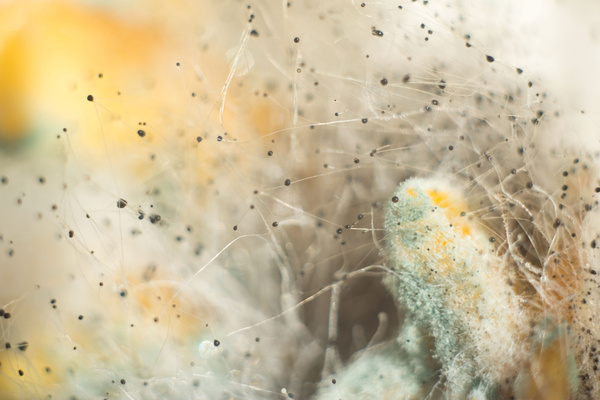
What People Mean by “Green Mold”
When homeowners search for green mold, they are usually describing mold that appears green, greenish-black, or green-gray on walls, ceilings, or other surfaces. The color alone does not identify the mold type or its danger level.
Multiple mold species can appear green under different lighting conditions, surface materials, and growth stages. What matters more than color is environmental context:
- Was there recent water damage?
- Is the area humid or poorly ventilated?
- Is the mold recurring after cleaning?
Green mold often develops in areas where moisture is present long enough for growth, but not always visible as standing water.
Is Green Mold Dangerous to Health?
Green mold is not automatically dangerous, but it should never be ignored.
Health impact depends on:
- Duration of exposure
- Size of the affected area
- Whether mold is airborne
- Individual sensitivity or respiratory conditions
Short-term exposure to small surface growth may cause mild irritation for some people. Long-term or hidden exposure can contribute to respiratory symptoms, headaches, fatigue, and worsening asthma or allergies.
In Florida’s climate, mold growth tends to accelerate once moisture is present. This means health risks increase when green mold is a symptom of ongoing moisture, not just a one-time surface issue.
Common Causes of Green Mold in Homes
Green mold does not appear without moisture. In Florida properties, the most common causes include:
- High indoor humidity from inadequate ventilation or HVAC imbalance
- Past water damage that was cleaned but not fully dried
- Roof or window leaks, allowing slow water intrusion
- Plumbing leaks inside walls or ceilings
- Condensation buildup around HVAC systems, bathrooms, or kitchens
In many cases, homeowners clean visible mold only to see it return weeks later. That recurrence usually indicates moisture remains trapped behind building materials.
Where Green Mold Is Most Often Found
Green mold commonly appears in areas where moisture is present but not immediately obvious:
- Drywall and painted walls
- Bathroom ceilings and corners
- Around HVAC vents or air handlers
- Behind furniture placed against exterior walls
- Attics and crawlspaces with poor airflow
If green mold is visible on finished surfaces, it is often growing on moisture migrating from behind those materials.
Can You Remove Green Mold Yourself?
DIY cleaning can be appropriate only under specific conditions.
Surface cleaning may be enough if:
- The affected area is small
- Mold is limited to non-porous surfaces
- There is no ongoing moisture source
- The mold does not return after cleaning
DIY methods fail when:
- Mold keeps coming back
- Drywall, insulation, or wood is affected
- There is a musty odor
- The source of moisture is unknown
Cleaning without addressing moisture allows mold to regrow and spread, often deeper into the structure, where it becomes less visible.
When Green Mold Requires Professional Mold Remediation
Green mold requires professional mold remediation when it is linked to hidden moisture, structural materials, or repeated growth.
This is especially true when:
- Mold is inside the walls or ceilings
- Growth follows water damage or leaks
- Multiple rooms are affected
- Occupants experience persistent health symptoms
- Mold returns after cleaning
Professional mold remediation focuses on identifying moisture sources, safely removing affected materials, and preventing regrowth rather than masking symptoms.
Learn more about professional mold remediation and when it is necessary in Florida homes.
How Mold Professionals Identify and Treat Green Mold
Professionals do not rely solely on color. A proper assessment typically includes:
- Moisture detection to locate active or hidden water sources
- Evaluation of affected materials
- Containment to prevent cross-contamination
- Removal of compromised materials when needed
- Controlled drying and verification
The goal is to eliminate both the mold and the conditions that allowed it to grow.
From Spotting Green Mold to Making the Right Decision
Green mold in the house is rarely the real problem. It is a warning sign.
In Florida homes, that warning often points to moisture conditions that can lead to structural damage and health concerns if ignored. Understanding when surface cleaning is enough and when professional evaluation is needed protects both the property and the people living in it.
If you are unsure whether green mold in your home is cosmetic or a sign of a deeper issue, the safest next step is to schedule a mold inspection with a qualified restoration professional who understands Florida’s climate and building conditions.

