Why Water Damage Spikes When Homes Are Left Unoccupied in Florida (Holiday Travel Risk)
Florida homeowners often assume water damage is a cold-weather problem. It is not. In Florida, the risk actually increases when homes are left unoccupied during holiday travel and extended trips.
When no one is home to notice a slow leak, appliance failure, or storm intrusion, water can spread for days. By the time the homeowner returns or a neighbor alerts them, the damage is no longer surface-level. In Florida’s humidity, that delay changes everything.
This guide explains why water damage escalates so quickly in unoccupied Florida homes, what to do if a pipe bursts or flooding is discovered, and how to know when cleanup is no longer enough.
Why Water Damage Increases When Florida Homes Are Left Unoccupied
Florida does not rely on frozen pipes to create water damage. The risk comes from a different combination of factors.
Research from the Insurance Institute for Business & Home Safety shows that unattended water leaks are among the most common causes of severe residential damage, especially when homes are left unoccupied for extended periods.
Heavy Rain and Seasonal Storms
Holiday travel often overlaps with periods of sustained rain. Roof vulnerabilities, clogged gutters, backed-up downspouts, and aging seals around windows or doors allow water intrusion that may go completely unnoticed while the home is empty.
Aging Plumbing and Appliance Failures
Dishwasher supply lines, refrigerator ice maker lines, washing machine hoses, and water heaters are common failure points. These failures do not always burst dramatically. Many start as slow leaks that worsen over time.
High Humidity Accelerates Damage
Florida’s humidity prevents water from evaporating naturally. Materials stay wet longer, and moisture migrates into drywall, cabinetry, insulation, and subfloors. This is why water damage that might remain minor elsewhere becomes severe in Florida homes.
When water goes unnoticed for hours or days, professional emergency water damage restoration in Florida is often the only way to stop moisture from spreading into walls, flooring, and structural materials.
The “Unoccupied” Factor: Why Small Leaks Become Major Losses
Water damage is silent. Unlike a fire or alarm, it does not announce itself.
When a home is unoccupied:
- Leaks go undiscovered for days or weeks
- HVAC systems may be turned off or set too high to control humidity
- No daily activity to interrupt moisture spread
What starts as a minor drip can quietly turn into extensive damage, which is why ignoring small water leaks is one of the most expensive mistakes homeowners make when no one is home to catch it early.
Common Water Damage Scenarios During Holiday Travel
These are the situations restoration crews most often see after homeowners return from travel.
Appliance Leaks
Dishwasher or refrigerator line failures, water heater malfunctions, and washing machine hose leaks often run continuously when no one is home.
Roof or Gutter Failures
Heavy rain exploits even small roof weaknesses. Water may enter ceilings and walls slowly, leading to ceiling leaks discovered days later.
Hidden Pipe Leaks
A pinhole leak or loose fitting can release gallons of water over time, flooding bathrooms, kitchens, or slab foundations without visible warning.
Burst Pipe What to Do (If You Discover Water Damage)
Whether you return home to standing water or receive an alert from a neighbor or monitoring system, response order matters.
Step 1: Shut Off the Water Immediately
Locate and shut off the main water supply. If you are not home, contact someone who can access the shutoff.
Step 2: Address Electrical Safety
If water is near outlets, appliances, or electrical panels, avoid entering the area until power can be safely shut off. Standing water and electricity create serious risk.
Step 3: Document the Damage
Take photos and videos before moving items. Documentation supports insurance claims and establishes the extent of damage at discovery.
Step 4: Stop the Source, Then Assess the Spread
A plumber can repair a broken pipe or failed appliance. This stops the water, but it does not address water already absorbed into the structure.
When Cleanup Is Not Enough in Florida Homes
Many homeowners attempt basic water cleanup using towels, fans, or wet vacs. In Florida, this is only appropriate under very limited conditions.
Restoration teams assess moisture levels, affected materials, and drying requirements to determine whether damage is contained or still spreading.
Cleanup May Be Enough If:
- Water was present for only a short time
- The affected area is small and fully visible
- No drywall, cabinetry, or flooring absorbed moisture
Professional Water Extraction Is Required If:
- Water sat for several hours or longer
- Drywall feels soft, swollen, or discolored
- Baseboards, cabinets, or ceilings are affected
- There is a musty odor developing
- The home was unoccupied when the leak occurred
Once water migrates into building materials, surface drying no longer works. Moisture remains trapped, creating mold risk and structural damage.
Bathroom Flooded or Ceiling Leak: What Changes the Decision
A flooded bathroom or ceiling leak often indicates water traveled beyond one room.
- Bathroom floods frequently spread beneath flooring into adjacent rooms
- Ceiling leaks often mean insulation and framing above are saturated
- Water traveling vertically is harder to detect and dry
In these cases, water extraction services and professional drying are typically required to prevent long-term damage.

Mold After Water Damage: Florida Timing Reality
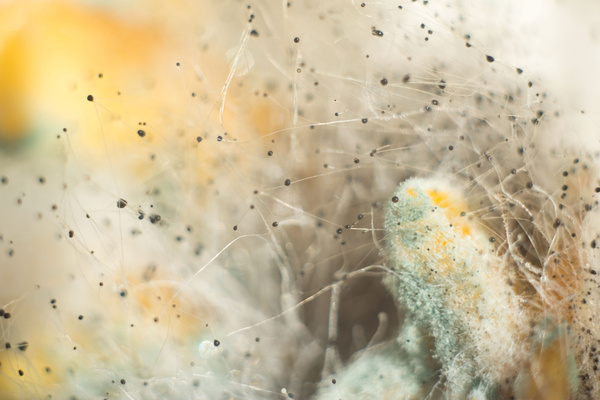
Mold does not require weeks to develop in Florida. In humid environments, microbial growth can begin within 24 to 48 hours on wet materials.
When water damage is discovered days after it began, mold risk is no longer theoretical. This is why delayed response often turns a simple water cleanup into a mold remediation scenario.
In Florida’s climate, prolonged moisture creates ideal conditions for mold, especially in enclosed spaces, which is why understanding mold growth in high humidity is critical after any water loss.
According to the CDC, mold exposure can begin shortly after moisture problems occur, which is why delayed drying in humid environments like Florida increases health and structural risks.
Insurance Considerations After Returning From Travel
Insurance policies generally expect homeowners to mitigate damage once discovered.
Delays caused by being away can complicate claims, especially if secondary damage occurred. Proper documentation, moisture readings, and professional mitigation records help demonstrate that action was taken promptly upon discovery.
This is where professional restoration support protects both the property and the claim.
How to Reduce Water Damage Risk Before Leaving Your Florida Home
Prevention does not eliminate risk, but it reduces severity.
- Shut off the main water supply or high-risk appliance lines
- Clear gutters and inspect roof drainage paths
- Set HVAC systems to control humidity, not just temperature
- Install smart leak detectors in kitchens, bathrooms, and laundry areas
- Arrange periodic check-ins by a trusted person
These steps limit how much damage can occur before discovery.
Guidance from FEMA emphasizes early mitigation and documentation after water intrusion to reduce long-term damage and insurance complications.
When to Call United Restoration
You should call for emergency water cleanup if:
- Water damage is discovered after time away
- There is standing water, ceiling damage, or saturated materials
- You notice odor, swelling, or discoloration
- You want proper documentation for insurance
United Restoration provides 24-hour water damage restoration across Florida, with rapid response designed for unoccupied-home scenarios where timing matters most.
Final Thoughts
Water damage in Florida is rarely dramatic at the start. It becomes expensive when it goes unnoticed, especially when a home has been left unoccupied.
If you return from travel to signs of water damage, acting quickly and choosing the right response determines whether the issue stays manageable or escalates into structural or mold-related damage.
For Florida homeowners, a professional assessment from a local restoration team experienced in unoccupied-home water losses helps protect both the property and the insurance outcome.
United Restoration provides 24-hour water damage restoration across Florida, with rapid response when timing matters most.